



Mental Health Awareness in Schools: Why Early Support Matters
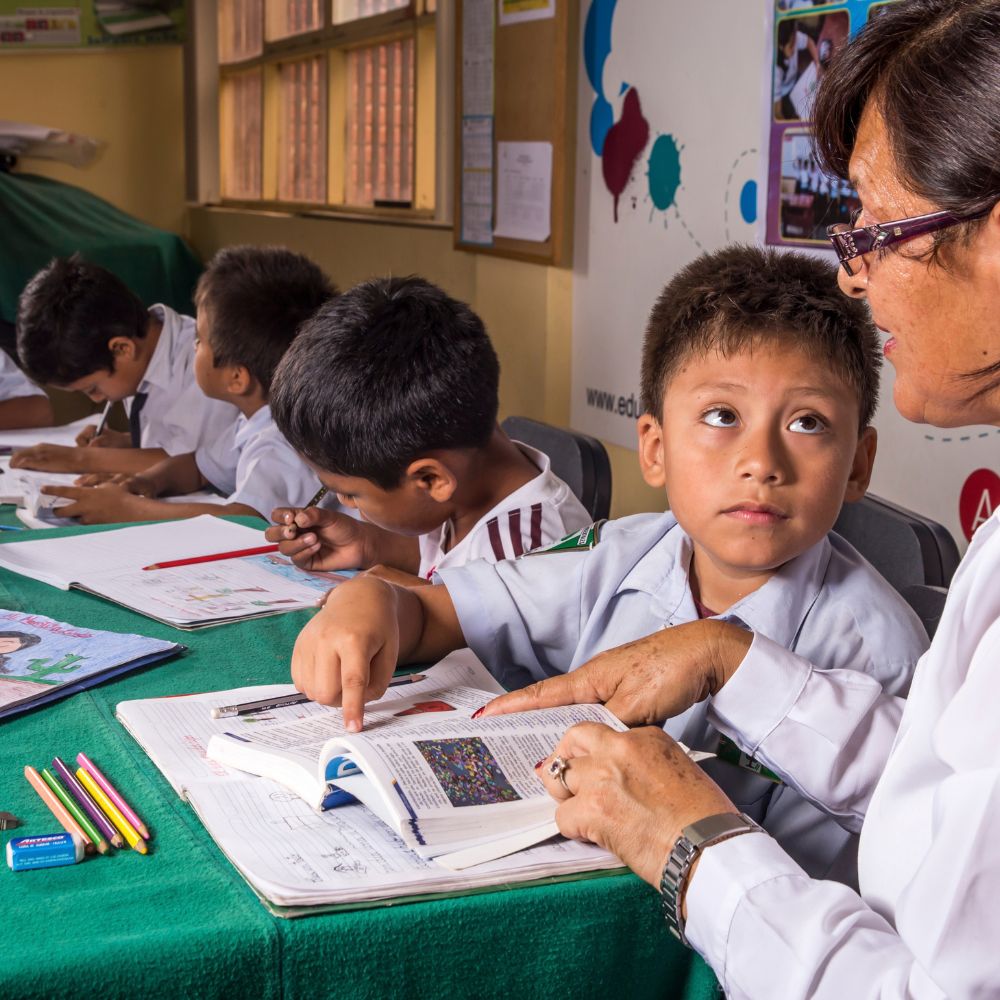
Schools are places where children and young people spend a significant part of their lives. They are also places where changes in behaviour, relationships, confidence, attendance and academic performance may become visible to adults who interact with them regularly. Mental health awareness in schools is not about diagnosing students. It is about creating an environment where emotional wellbeing can be discussed without shame, where concerns can be noticed early and where students know that asking for help is acceptable. For young people, having access to the right support at the right time can make it easier to understand what they are experiencing and find an appropriate source of help.
Why Mental Health Awareness Belongs in Schools
Mental health is part of overall wellbeing. Students may experience stress related to studies, family circumstances, relationships, social pressure, bullying, isolation, major life changes or other difficulties. Without an environment where these concerns can be discussed, a student may hesitate to speak to someone. They may also believe that asking for support means they are weak or different.
Awareness programs can help change that environment. They can introduce simple, age-appropriate conversations about emotions, coping, communication, support systems and when it may be useful to seek professional help.
Recognising Changes Without Labelling Students
Teachers and other school staff are not expected to diagnose mental health conditions. Their role can be to notice significant changes and respond appropriately. A student who becomes unusually withdrawn, repeatedly stops participating, shows a major change in behaviour or appears distressed may need a conversation and appropriate support.
One sign alone does not establish a mental health condition. Context matters, and different students respond differently to difficult situations. The important point is that a change should not automatically be dismissed as bad behaviour or lack of discipline. A supportive response can create an opportunity to understand what is happening.
Reducing Stigma Through Everyday Conversations
Stigma can make it difficult for young people to talk about emotional difficulties. When mental health is discussed only during a crisis, students may associate the subject with something being seriously wrong.
Regular awareness activities can make the conversation more ordinary. Classroom discussions, workshops, resource sessions and age-appropriate educational material can help students understand that emotional wellbeing is something that deserves attention.
Chhaya Foundation identifies mental health awareness, training and education, community outreach, support groups and resources among its areas of work. Its outreach programs also focus on reducing stigma and encouraging open conversations about mental health.
Creating a Supportive Role for Teachers and Staff
Teachers can be an important part of a student's support network, but they should not be expected to handle every concern themselves. Schools can establish clear pathways for responding to concerns. Staff should know who to approach when a student needs additional support, how to communicate with parents or guardians where appropriate, and when a concern requires professional or emergency assistance.
A structured approach also helps protect the privacy and dignity of students. Sensitive information should be handled carefully and shared only with people who need it for the student's safety and support.
The Role of Families
Families remain an important part of a young person's support system. A school awareness program can be more effective when parents and guardians also understand the importance of listening without immediately judging or dismissing concerns.
A child may not always explain a problem directly. Sometimes a change in sleep, communication, routine or interest may be the first indication that something is difficult. The response should begin with listening and understanding rather than assumptions.
If professional support is needed, families can seek an appropriate qualified mental health professional or relevant service.
Building Support Beyond the Classroom
Mental health awareness cannot depend on schools alone. Community organisations, counsellors, families, healthcare professionals and social support networks all have a role to play.
Chhaya Foundation's community outreach work includes partnerships with local organisations, schools and community groups to raise awareness, provide information and connect affected people and families with resources and support. This wider network matters because a student's wellbeing is influenced by the environment beyond school as well.
Awareness Is the Beginning of Support
Mental health education in schools should not be treated as a one-day activity. It is more useful when awareness becomes part of a wider culture of respect, listening and access to support.
The goal is not to make teachers into mental health professionals or to label students. The goal is to make it easier for young people to speak, for adults to respond appropriately and for those who need professional help to reach the right resources.
Chhaya Foundation works in the areas of mental health, crisis intervention, support groups, training and education, community outreach, advocacy and research. For information about its work, visit chhaya.org.in or contact the foundation directly.