
Chhaya Foundation is dedicated to providing a safe and welcoming environment for those seeking support.
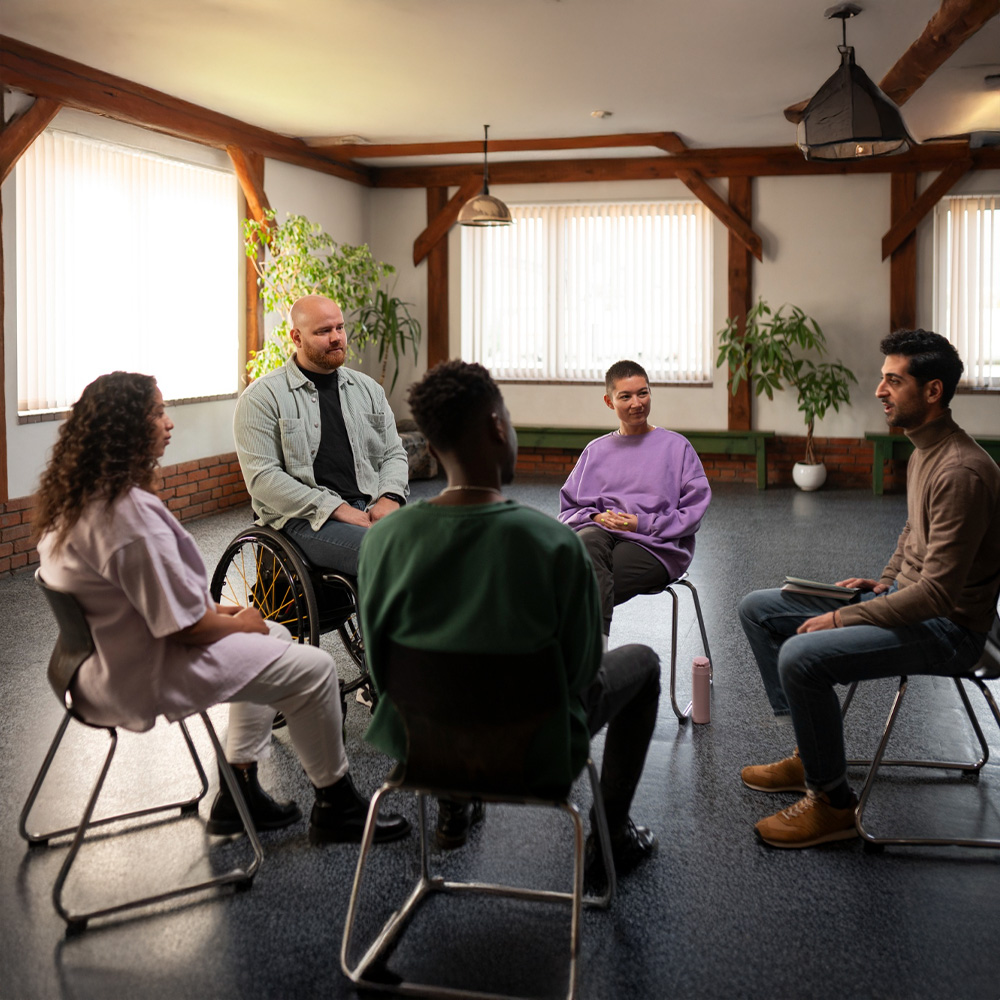
Support groups services offered by the Chhaya Foundation provide a safe and supportive environment for affected individuals and families to connect with others who understand their experiences. The support groups are facilitated by trained professionals who have experience working with individuals and families affected by traumatic events. The groups are designed to provide a space for individuals and families to share their thoughts, feelings, and experiences, and to receive emotional support and guidance from others who have gone through similar experiences.
The support groups are offered for a variety of different audiences, including families and loved ones of missing persons, friends of missing persons, and those who have personally experienced a missing person case. The groups are typically held on a regular schedule and may be held in-person or virtually. The support groups are confidential and provide a non-judgmental space where individuals can be open and honest about their experiences. The support group facilitators are trained to provide emotional support, guidance and education on coping strategies and self-care, in a supportive and respectful environment.
The support group services are designed to help individuals and families to feel less isolated and alone, and to provide them with the emotional support they need to cope with the trauma. Additionally, the support groups may provide an opportunity to learn from others who have experienced similar situations and to gain new perspective on their own experiences.
Support groups to provide Emotional & Social support

Disease-Specific Groups
These groups provide support for individuals who have a specific illness or condition, such as cancer, diabetes, or heart disease.
Mental Health Groups
These groups provide support for individuals who have a mental health condition, such as depression, anxiety, or PTSD.
Trauma-Specific Groups
These groups provide support for individuals who have experienced a traumatic event, such as sexual abuse or combat.
Peer Support Groups
These groups are led by individuals who have personal experience with a specific issue and provide support to others in the group.
Online Support Groups
These groups provide support through online platforms such as forums, chat rooms, or social media.
Grief and Loss Groups
These groups provide support for individuals who are coping with the death of a loved one or other significant loss.
Caregiver Groups
These groups provide support for individuals who are caring for a loved one with a chronic illness or disability.
Addiction & Recovery Groups
These groups provide support for individuals who are struggling with addiction and are in recovery.
Family Support Groups
These groups provide support for family members of individuals with a specific condition or illness.
LGBTQ+ Groups
These groups provide support for individuals who identify as lesbian, gay, bisexual, transgender, or queer, and those who support them.
Support Groups Activities
 1
1
Facilitating support groups for affected individuals and families.
 2
2
Offering support groups for families and loved ones of missing persons, friends of missing persons, and those who have personally experienced a missing person case.
 3
3
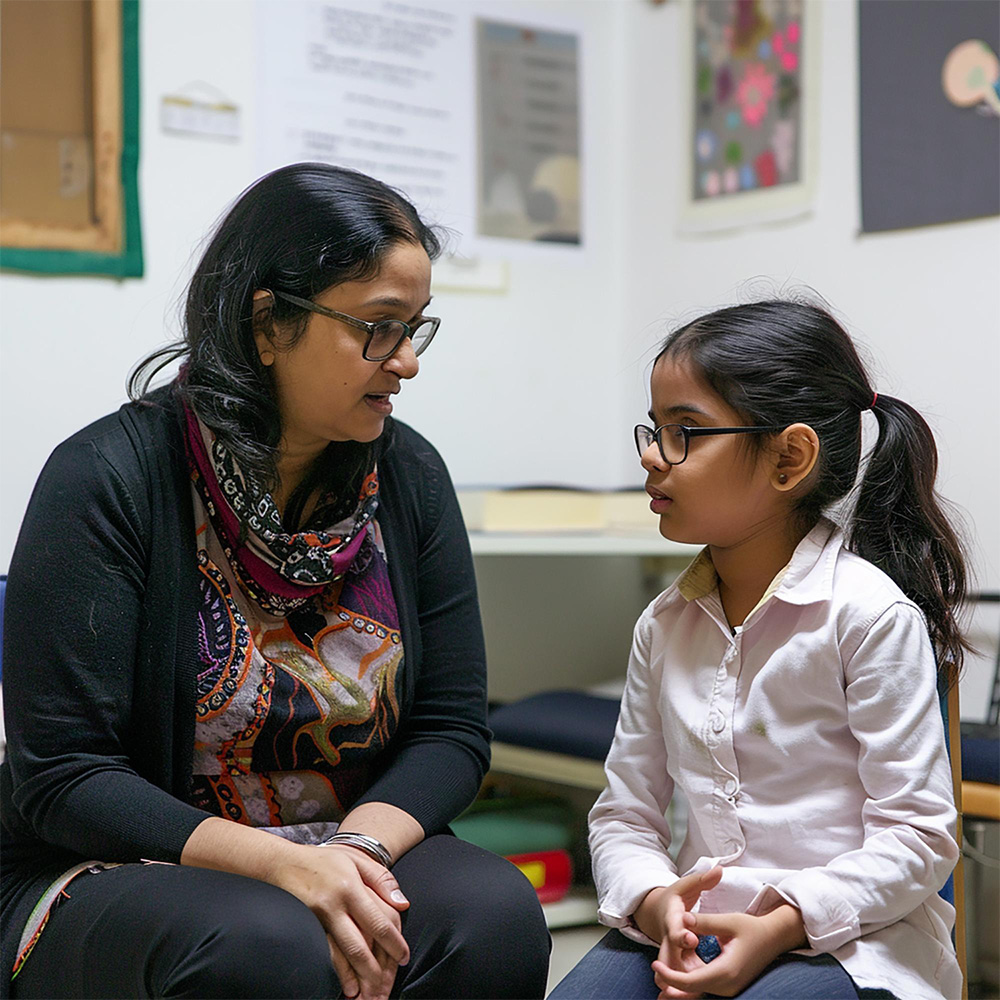
Providing a safe and supportive environment for individuals and families to connect with others who understand their experiences.
 4
4
Providing emotional support, guidance, and education on coping strategies and self-care to group members.
 5
5
Promoting a non-judgmental and confidential environment where individuals can be open and honest about their experiences.
 6
6
Coordinating with other organizations and agencies to ensure continuity of care for individuals and families.
 7
7
Maintaining records of group attendance and progress.
 8
8
Continuously monitoring and evaluating the effectiveness of support groups services and making adjustments as necessary.
 9
9
Offering virtual and in-person support groups.
 10
10
Encouraging participation in additional counseling or therapy sessions if needed.