


What Families Should Do When a Loved One Goes Missing
When someone goes missing, families can experience shock, fear and uncertainty at the same time. In that situation, it can be difficult to know what information to collect, whom to contact or how to coordinate the next steps. A missing person case should be treated seriously and approached through appropriate authorities and support systems. Families do not have to manage every part of the situation alone. The exact response depends on the circumstances of the person who is missing, the location and the information available. The following steps provide a general framework rather than a substitute for instructions from law enforcement or emergency services.
Report the Case Promptly
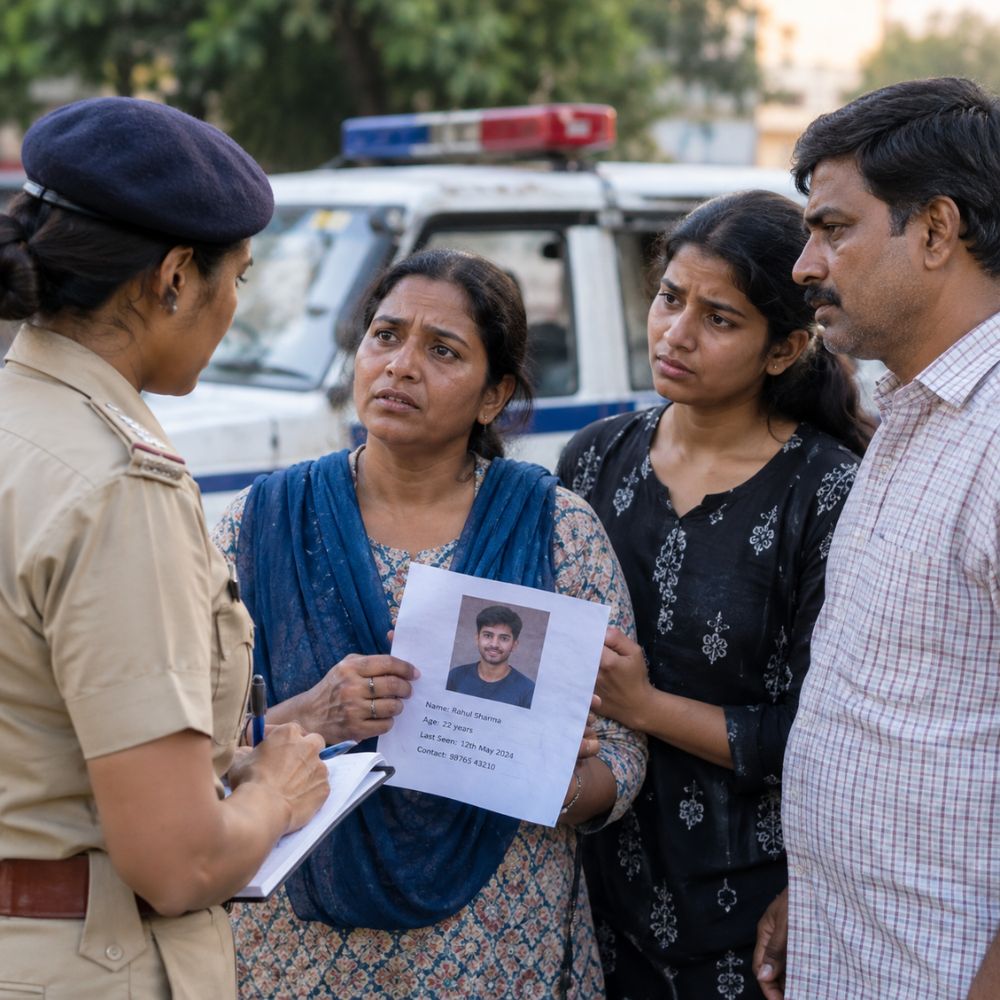
One of the first priorities is to contact the appropriate police or emergency authority and report the person missing. Families should provide accurate information and follow the instructions given by the authorities.
Useful information can include the person's full name, age, recent photograph, physical description, clothing at the time they were last seen, last known location, phone number, vehicle details if relevant and any other information that may help identify or locate them. If there are circumstances that could indicate immediate danger, communicate those details clearly to the authorities.
Gather Information While the Search Begins
Families can create a simple record of important information so that different people working on the case have the same details. Record when and where the person was last seen, who last communicated with them, relevant phone numbers, places they may have visited and any information about their usual routine.
Keep copies of photographs and important documents that authorities may request. Avoid changing or deleting potentially relevant messages, call records or other information without first understanding whether authorities may need them.
Use Accurate Information When Sharing Publicly
Families may choose to circulate a missing person notice through social media, local communities or other channels. Accuracy is important. A public notice should contain verified information such as the person's photograph, name, age, last known location and an appropriate contact or official reporting reference.
Avoid publishing sensitive personal information that could create additional risks. It is also important to verify information before sharing it. During a crisis, rumours and unverified messages can spread quickly and make the situation harder to manage.
Coordinate Rather Than Working in Isolation
A missing person search can involve family members, police, community organisations and other agencies. Coordination helps reduce duplication and keeps information consistent.
Chhaya Foundation states that it works closely with law enforcement and partner organisations to coordinate search, rescue and information gathering. Its crisis intervention services also describe support for affected families, communication and community-based search and awareness efforts.
Families can ask relevant authorities or support organisations how they can assist without interfering with an official investigation.
Look After the Family While the Search Continues
The uncertainty of a missing person case can place enormous emotional pressure on family members. People may experience anxiety, exhaustion, difficulty concentrating or other forms of distress. It is important for family members to eat, rest when possible and stay connected with trusted people.
No family member should feel that they have to remain constantly active every hour of the day. Chhaya Foundation identifies mental health support, crisis intervention and support groups among its services. Emotional support can be especially important when a case continues for an extended period.
Be Careful With Unofficial Claims and Promises
Families in distress may encounter people who claim to have information, special abilities or guaranteed ways to locate a missing person. Such claims should be treated carefully. Do not share money, sensitive documents or personal information without checking who is making the request and whether the request is legitimate.
When information relates to an active case, it is safer to coordinate with the appropriate authorities. A family can remain open to information while still checking its reliability before acting on it.
The Need for Continued Support
A missing person case affects more than the immediate search. Families may need emotional, practical and social support throughout the process.
Chhaya Foundation's work includes support for families affected by missing person cases, community outreach, resources and information, crisis intervention and coordination with other organisations. Its stated mission includes helping families receive the support and resources they need to heal and move forward.
If your family is dealing with a missing person case, contact the appropriate police or emergency authorities first and seek support from established organisations that can assist with the situation. Reliable information, coordinated action and emotional support can help families navigate an extremely difficult time.